
 admin
admin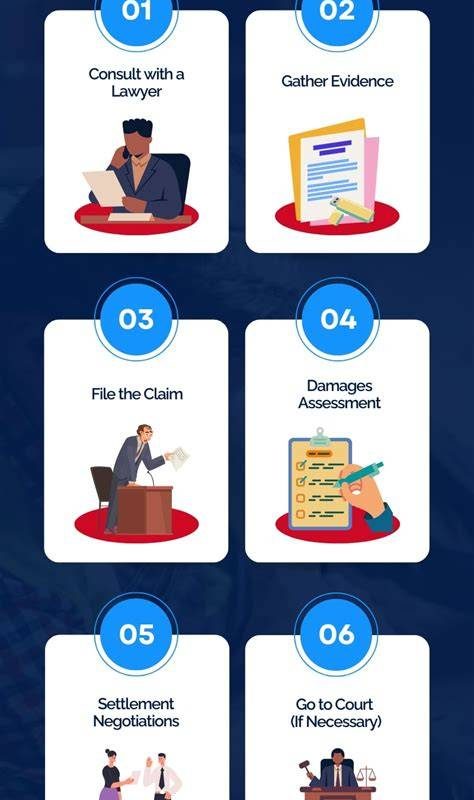
Every year, millions of individuals eagerly anticipate their well-deserved holidays, seeking relaxation and new experiences away from daily routines. While most trips proceed without incident, a significant number of people unfortunately suffer personal injuries while on vacation, turning what should be a joyful escape into a distressing ordeal.
Such incidents can range from minor slips and falls to serious road traffic accidents or even medical negligence, often occurring in unfamiliar environments far from home. Navigating the aftermath of a holiday accident, particularly concerning legal and compensation aspects, requires specialized knowledge and guidance.
Understanding Holiday Accidents and Their Unique Challenges
Holiday accidents differ significantly from those occurring domestically, primarily due to complexities involving jurisdiction, local laws, and international regulations. These unique circumstances demand the expertise of a personal injury compensation lawyer who specializes in cross-border and travel-related incidents.
The context of holidays, especially during officially designated periods determined by various ministers and decrees, often sees increased travel volumes. This period, sometimes referred to by terms like ‘cuti’ in some cultures, inherently heightens the potential for incidents due to crowded venues and increased activity, making expert legal assistance crucial.
Defining a Holiday Accident
A holiday accident broadly encompasses any incident causing personal injury or illness that occurs while an individual is on a pre-booked vacation, either domestically or internationally. This can include incidents directly related to travel, accommodation, or specific holiday activities.
These accidents can happen in various settings, such as hotels, resorts, cruise ships, airports, on organized excursions, or even during independent explorations. The key is that the injury arises from a third party’s negligence or breach of duty, making them potentially liable for compensation.
Common Types of Holiday Personal Injuries
The range of injuries sustained during holidays is diverse, reflecting the multitude of activities and environments encountered. From minor sprains and fractures to severe head trauma or debilitating illnesses, the impact on a victim’s life can be profound and long-lasting.
Common incidents include slips, trips, and falls in poorly maintained areas, food poisoning from contaminated meals, swimming pool accidents, road traffic collisions involving rental cars or local transport, and even injuries sustained during adventure sports or leisure activities.
The Intricacies of Jurisdiction and Applicable Law
One of the most challenging aspects of a holiday accident claim is determining which country’s laws apply and where the claim should be filed. This is not always straightforward, especially when an accident occurs abroad but the holiday was booked through a domestic tour operator.
Generally, if you booked a package holiday, consumer protection laws in your home country might apply, allowing you to pursue a claim against your tour operator. However, if you booked independent travel arrangements, you might need to pursue a claim directly against the negligent party under the laws of the country where the accident occurred.
Package Holiday Regulations
Many countries have specific regulations governing package holidays, designed to protect consumers. For instance, in the UK, the Package Travel and Linked Travel Arrangements Regulations stipulate that if you booked a package holiday, your tour operator is responsible for the proper performance of the holiday arrangements, even if a third-party supplier caused your injury.
These regulations provide a clearer pathway for compensation claims, often allowing claimants to pursue their case through their home country’s legal system, rather than navigating a foreign one. This simplifies the process significantly, removing many of the language and cultural barriers that might otherwise exist.
Direct Claims Against Foreign Entities
If your holiday was not a package, or if the claim falls outside package holiday regulations, you might need to make a direct claim against the responsible party in the country where the accident happened. This can be a complex undertaking, requiring a lawyer with expertise in international private law and strong connections with legal professionals abroad.
Issues such as service of process, enforcement of judgments, and understanding local legal procedures become paramount in such cases. A specialized lawyer can bridge these gaps, ensuring your rights are protected regardless of geographical boundaries.
The Indispensable Role of a Holiday Accident Lawyer
A specialized holiday accident personal injury compensation lawyer acts as your advocate, guiding you through every step of a potentially complex legal process. Their expertise is crucial in successfully navigating the unique challenges associated with international personal injury claims.
They possess an in-depth understanding of both domestic consumer protection laws and international private law principles, allowing them to determine the most effective legal strategy for your specific situation. This specialized knowledge is vital for maximizing your chances of a successful claim and securing fair compensation.
Comprehensive Case Investigation and Evidence Gathering
Immediately following an accident, gathering crucial evidence can be difficult, especially when you are injured and in a foreign country. A dedicated lawyer will initiate a thorough investigation, compiling all necessary documentation to build a robust case.
This involves collecting witness statements, obtaining official incident reports from hotels or local authorities, securing medical records (both from abroad and your home country), and acquiring photographic or video evidence of the accident scene. They will also assess potential liability, identifying all responsible parties.
Legal Advice, Negotiation, and Litigation
Your lawyer will provide clear, comprehensive legal advice, explaining your rights, the likelihood of success, and the potential value of your claim. They will handle all communications with insurance companies, tour operators, and other involved parties, protecting you from potentially prejudicial statements or unfair settlement offers.
Should negotiations fail to yield a satisfactory outcome, your lawyer will be prepared to represent you in court. They will meticulously prepare your case for litigation, presenting compelling arguments and evidence to a judge or jury, advocating tirelessly on your behalf.
Elements of Compensation in Holiday Accident Claims
Compensation for a personal injury sustained during a holiday aims to cover all losses and damages incurred as a direct result of the accident. These are broadly categorized into general damages and special damages, addressing both tangible and intangible impacts.
The goal is to restore the injured party, as much as possible, to their pre-accident condition, or at least to compensate them for the deterioration in their quality of life. This comprehensive approach ensures all aspects of suffering are considered.
General Damages: Pain, Suffering, and Loss of Amenity
General damages compensate for non-economic losses, such as physical pain and suffering, emotional distress, and the reduction in your ability to enjoy life’s activities. This includes the impact on hobbies, social life, and overall well-being.
The exact amount awarded for general damages is determined by the severity of the injury, its long-term effects, and established legal precedents. Your lawyer will work with medical experts to accurately assess the extent of your injuries and their implications for your future.
Special Damages: Financial Losses and Expenses
Special damages cover all quantifiable financial losses directly attributable to the accident. This can include a wide array of expenses that significantly impact a victim’s financial stability.
Typical special damages include medical treatment costs (both abroad and at home), lost earnings (current and future), travel expenses for medical appointments, rehabilitation costs, care costs, and compensation for damaged personal property. Keeping meticulous records of all expenses is crucial for proving these losses.
Essential Steps to Take After a Holiday Accident
Immediate actions taken after a holiday accident can significantly impact the strength and success of a subsequent compensation claim. Being prepared and knowing what to do can make a considerable difference in securing your legal rights.
These steps are not only critical for your well-being but also for building a solid foundation for any potential legal action. They ensure that crucial evidence is preserved and reported promptly.
Prioritize Medical Attention and Report the Incident
Your first priority must always be your health and safety. Seek immediate medical attention, even if your injuries seem minor, as some symptoms may not manifest until later. Ensure all medical treatments are documented.
Report the incident formally to the relevant parties, such as the hotel manager, tour representative, cruise ship staff, or local police, and obtain a copy of the incident report. This creates an official record of the event.
Document Everything and Contact a Specialist Lawyer
Gather as much evidence as possible at the scene: take photos and videos of the hazard, your injuries, and the surrounding area. Collect contact details from any witnesses, and keep all receipts related to medical care, travel, or other expenses incurred due to the accident.
As soon as you are able, contact a specialist holiday accident personal injury compensation lawyer. They can provide immediate advice on what further steps to take, prevent common pitfalls, and begin building your case effectively from the outset.
Navigating the Challenges of Overseas Claims
While the prospect of compensation is reassuring, pursuing an international personal injury claim presents several unique challenges that require a highly skilled legal team. These complexities often deter individuals from seeking the justice they deserve.
However, with the right legal representation, these hurdles can be effectively overcome, allowing claimants to focus on their recovery rather than the intricate legal battles. Understanding these challenges is the first step towards addressing them.
Language Barriers and Varying Legal Systems
Communicating in a foreign language and understanding a different legal system can be incredibly daunting. Legal terminology, procedures, and cultural nuances vary significantly from country to country, making self-representation nearly impossible.
A specialized lawyer often works with a network of international legal associates and professional translators, ensuring effective communication and accurate legal representation throughout the entire process. This collaborative approach minimizes misunderstandings and streamlines the claim.
Statute of Limitations and Cost Implications
Each country has strict time limits, known as statutes of limitations, within which a personal injury claim must be filed. These limits can be much shorter than in your home country, and missing them can permanently bar you from claiming compensation.
Furthermore, the costs associated with pursuing an overseas claim, including court fees, expert witness fees, and travel expenses, can be substantial. Many holiday accident lawyers offer ‘no win, no fee’ arrangements, which significantly reduces the financial risk for claimants, making justice more accessible.
Choosing the Right Holiday Accident Personal Injury Compensation Lawyer
Selecting the appropriate legal representation is arguably the most crucial decision you will make after a holiday accident. Not all personal injury lawyers possess the specific expertise required for complex cross-border claims.
It is imperative to choose a lawyer who not only understands the nuances of international personal injury law but also has a proven track record of success in similar cases. This ensures that your claim is handled with the utmost competence and dedication.
Specialization and Experience in International Claims
Look for a law firm or lawyer that explicitly specializes in international personal injury and holiday accident claims. They should demonstrate a deep understanding of relevant international conventions, foreign laws, and package holiday regulations.
Ask about their experience with cases similar to yours, particularly involving the country where your accident occurred, as this indicates their familiarity with local legal procedures and potential obstacles. A strong international network is also a key indicator of their capability.
Transparent Fee Structures and Client Testimonials
Ensure that the lawyer’s fee structure is transparent and clearly explained from the outset. Many reputable firms offer initial free consultations and work on a ‘no win, no fee’ basis, meaning you only pay if your case is successful.
Furthermore, check client testimonials and case studies to gauge their reputation and client satisfaction. Positive feedback from previous clients who have successfully navigated similar holiday accident claims can provide invaluable peace of mind and confidence in your chosen legal representative.
In conclusion, suffering a personal injury during a holiday can be a devastating experience, compounded by the complexities of international law and foreign environments. However, with the dedicated support of an experienced holiday accident personal injury compensation lawyer, victims can navigate these challenges effectively. They can secure the justice and financial compensation necessary to aid their recovery and rebuild their lives after an unforeseen incident abroad.
Frequently Asked Questions (FAQ)
What constitutes a holiday accident?
A holiday accident refers to any incident causing personal injury or illness during a pre-booked vacation, whether domestic or international. This includes incidents related to travel, accommodation, or holiday activities where a third party’s negligence caused the harm.
Can I claim for an accident that happened abroad?
Yes, you can often claim for an accident that happened abroad. If you booked a package holiday, you might be able to claim against your tour operator under your home country’s laws. For independent travel, you might need to pursue a claim directly against the negligent party in the country where the accident occurred, with the help of a specialized lawyer.
How long do I have to make a claim?
The time limit, known as the ‘statute of limitations,’ varies significantly depending on the country where the accident occurred and the specific circumstances of your claim. These limits can be much shorter than in your home country, so it is crucial to contact a specialist lawyer as soon as possible after the accident.
What evidence do I need to support my claim?
Crucial evidence includes medical records of your injuries and treatment, photographs or videos of the accident scene and the cause of the injury, witness contact details, incident reports (from hotel, tour operator, or police), and any receipts for expenses incurred due to the accident (medical, travel, lost earnings).
What types of compensation can I expect to receive?
Compensation typically covers both ‘general damages’ for pain, suffering, and loss of amenity, and ‘special damages’ for financial losses. Special damages include medical expenses, lost earnings, rehabilitation costs, travel costs for treatment, and any property damage incurred as a direct result of the accident.
How do ‘no win, no fee’ arrangements work for these claims?
Many holiday accident lawyers offer ‘no win, no fee’ (or conditional fee) agreements. This means you only pay your legal fees if your claim is successful. If you lose your case, you generally won’t owe your lawyer for their time, significantly reducing your financial risk in pursuing a claim.
Do I need to travel back to the accident location for my claim?
In most cases, you do not need to travel back to the accident location. Your specialist holiday accident lawyer can gather evidence, communicate with foreign legal teams, and represent your interests remotely. Occasionally, a court appearance might be required, but this is rare and often arranged via video link or with local representation.