
 admin
admin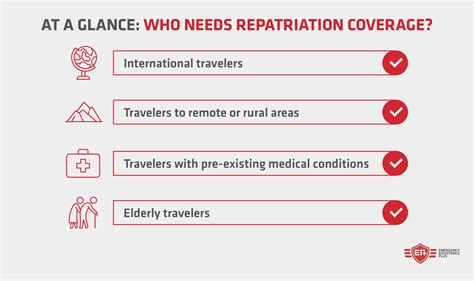
Embarking on international travel, whether for leisure, business, study, or to live as an expatriate, opens up a world of opportunities and experiences. However, it also introduces potential health risks, particularly the daunting prospect of a medical emergency far from home.
This is precisely where International Medical Evacuation and Repatriation Coverage becomes not just a convenience, but an indispensable safeguard for your well-being and financial security abroad.
Understanding Medical Evacuation: A Critical Lifeline Abroad
Medical evacuation refers to the process of transporting an injured or ill person from a remote location or a place with inadequate medical facilities to the nearest appropriate medical center. This critical service is typically initiated when local medical care cannot adequately address a traveler’s severe condition.
It can involve highly specialized transportation, such as an air ambulance equipped with medical personnel and advanced life support systems, or a commercial flight with a medical escort, depending on the patient’s stability and medical needs.
Imagine suffering a severe accident during a trek in a developing country, or contracting a life-threatening illness in a city with limited advanced medical technology. In such scenarios, a local hospital might lack the specialized equipment, surgical expertise, or intensive care units necessary for optimal treatment.
Medical evacuation coverage ensures that you can be moved quickly and safely to a facility capable of providing the care you desperately need, regardless of geographical barriers or the astronomical costs involved.
Defining Medical Repatriation: Bringing You Home Safely
While medical evacuation focuses on getting you to the *nearest* appropriate medical facility, medical repatriation is about returning you to your *home country* for ongoing care or recovery. This service becomes vital once your condition has stabilized, but you still require long-term medical attention that would be more comfortably and cost-effectively managed closer to your support network and familiar healthcare system.
Repatriation also encompasses the somber task of returning mortal remains to the home country in the unfortunate event of a traveler’s death abroad, ensuring dignity and closure for grieving families.
For instance, if you experience a stroke or a severe injury requiring months of rehabilitation, being able to return to your home country means you can access care providers familiar with your medical history and communicate in your native language. Furthermore, it allows for easier coordination with your long-term domestic health insurance providers, minimizing out-of-pocket expenses for ongoing treatment.
The cost of repatriating a deceased individual can be equally prohibitive, covering expenses such as embalming, documentation, customs clearance, and specialized air transport, all of which are covered by comprehensive repatriation benefits.
Why is This Coverage Indispensable for Global Travelers?
The primary reason for securing international medical evacuation and repatriation coverage is the staggering financial burden that these services can impose without insurance. An emergency air ambulance evacuation, for example, can easily cost tens of thousands, or even hundreds of thousands, of dollars depending on the distance and medical complexity.
These are costs that very few individuals can afford out-of-pocket, potentially leading to medical debt that could cripple a family for years.
Beyond the financial aspect, many standard travel insurance policies or domestic health insurance plans offer very limited, if any, coverage for international medical evacuations or repatriations. They might cover basic emergency treatment, but rarely extend to the highly specialized logistics and costs associated with transporting a critically ill patient across borders or oceans.
Without dedicated coverage, you and your family would be left to navigate complex international healthcare systems, language barriers, and logistical nightmares during an already stressful and traumatic time.
Key Components of Comprehensive Evacuation and Repatriation Policies
A robust international medical evacuation and repatriation policy typically includes several critical components designed to provide holistic protection. These elements work in concert to ensure that all aspects of an emergency medical transfer are expertly handled.
Understanding these components is crucial for evaluating and selecting the right policy for your specific travel needs.
Transportation Logistics and Medical Support
The core of these policies lies in covering the actual transportation from the point of illness or injury to a medical facility, and then potentially back home. This often involves orchestrating the use of air ambulances, which are essentially flying intensive care units, complete with specialized medical equipment and a dedicated medical team, including doctors and flight nurses.
For less critical, but still requiring assistance, cases, coverage might include commercial flights with a medical escort, where a healthcare professional accompanies the patient to monitor their condition and provide care throughout the journey.
Coordination and Ancillary Services
Beyond the physical transport, comprehensive coverage includes the vital coordination services provided by the insurance company’s assistance team. This involves managing all logistical details, from identifying appropriate medical facilities, obtaining necessary medical clearances for travel, and handling airport and customs procedures, to arranging ground transportation at both ends of the journey.
Additionally, some policies offer benefits for a family member to travel with the patient, or for a child’s return home, providing crucial emotional support and practical assistance during a challenging time.
Repatriation of Mortal Remains
In the most tragic of circumstances, should a covered individual pass away abroad, the policy typically covers the significant costs associated with repatriating their mortal remains. This includes preparing the body for transport, completing all necessary legal and consular documentation, and arranging the secure and dignified shipment back to the home country.
This critical benefit spares families from immense financial and administrative burdens during an already devastating period, allowing them to focus on grieving and remembrance.
Who Needs International Medical Evacuation & Repatriation Coverage?
While often associated with extreme adventure travel, the need for international medical evacuation and repatriation coverage extends far beyond thrill-seekers. A wide range of global travelers and residents can significantly benefit from this essential protection.
Recognizing your personal risk factors and travel patterns is key to determining if this coverage is right for you.
Expats, Digital Nomads, and Long-Term Residents
Individuals living abroad for extended periods, such as expatriates or digital nomads, face unique risks. While they might have local health insurance, it often lacks the provisions for medical evacuation back to their home country or to a center of excellence for specialized, long-term care not available locally.
For these groups, having a robust plan ensures access to familiar healthcare systems and family support if a serious illness or injury occurs.
Adventure Travelers and Those Visiting Remote Areas
Travelers engaging in activities like mountaineering, scuba diving, safaris, or exploring remote regions of the world are inherently at higher risk of accidents or encountering areas with rudimentary medical facilities. In such locations, immediate evacuation to a well-equipped hospital is not just beneficial, but often life-saving.
Policies for these travelers often include specific clauses for extreme sports or remote location rescues, which is vital to review.
Business Travelers and Students Abroad
Professionals traveling frequently for work, or students studying in foreign countries, may find themselves in unfamiliar medical environments far from their support networks. A sudden medical emergency could disrupt their assignments or studies significantly.
Coverage provides the reassurance that they will receive appropriate care and can return home if necessary, minimizing professional or academic disruption.
Elderly Travelers and Those with Pre-existing Conditions
Older travelers or individuals with pre-existing medical conditions (e.g., heart disease, diabetes) are generally at a higher risk of experiencing a medical emergency while abroad. Their conditions might necessitate specific medical care or medications that are not readily available or understood in every foreign healthcare system.
For these individuals, comprehensive evacuation and repatriation coverage, ideally one that covers pre-existing conditions, offers an essential layer of security and specialized assistance.
Navigating Policy Options: Standalone vs. Integrated Plans
When seeking international medical evacuation and repatriation coverage, you will generally encounter two main types of policy structures. Understanding these differences is crucial for selecting the most appropriate and comprehensive protection for your travel profile.
Each option offers distinct advantages and considerations regarding scope, cost, and administrative ease.
Dedicated Standalone Evacuation and Repatriation Plans
These policies focus exclusively on emergency medical evacuation and repatriation services, often providing very high coverage limits specifically for these critical needs. They are ideal for individuals who already have robust international health insurance but find that it lacks comprehensive evacuation benefits, or for those whose primary concern is the potential high cost of emergency transport.
Such plans are typically offered by specialized providers who are experts in global medical logistics and emergency response.
Integrated into Comprehensive Travel Insurance Policies
Many comprehensive travel insurance plans include medical evacuation and repatriation as part of a broader package of benefits. These integrated policies often cover a wide array of travel-related risks, such as trip cancellation, lost luggage, emergency medical treatment abroad, and personal liability, in addition to evacuation and repatriation.
While convenient, it is crucial to carefully review the specific limits and conditions for evacuation and repatriation within these broader plans, as they can sometimes be lower than those offered by standalone policies.
Essential Factors When Choosing Your Policy
Selecting the right international medical evacuation and repatriation coverage requires careful consideration of several key factors. A thorough evaluation of policy details will ensure that you are adequately protected for your specific travel plans and personal health circumstances.
Do not simply choose the cheapest option; prioritize comprehensive coverage that aligns with your potential risks.
Coverage Limits: Crucial for High-Cost Services
Perhaps the most critical factor is the maximum coverage limit for evacuation and repatriation. Given that these services can cost hundreds of thousands of dollars, look for policies with limits of at least $250,000, and preferably $500,000 to $1,000,000 or more, especially if traveling to very remote or medically underserved regions.
Ensure that the limits are separate and sufficient for both evacuation to a medical facility and repatriation back home, as these are distinct services.
Geographical Scope: Worldwide vs. Specific Regions
Verify that the policy’s geographical coverage extends to all countries you plan to visit or reside in. Some policies may exclude certain high-risk countries or regions, while others offer worldwide coverage with specific exceptions.
Always double-check these clauses, especially if your travel itinerary includes multiple destinations or politically unstable areas.
Pre-existing Medical Conditions: Disclosure and Coverage
If you have any pre-existing medical conditions, it is imperative to find a policy that explicitly covers them, or at least provides coverage after a specific waiting period. Failure to disclose pre-existing conditions can invalidate your claim, leaving you entirely responsible for all costs.
Always be transparent with your insurer and ensure you understand their terms regarding your specific health situation.
Exclusions: Understand What Isn’t Covered
Every policy has exclusions, which are circumstances or activities not covered by the insurance. Common exclusions include injuries sustained from extreme sports (unless an add-on is purchased), self-inflicted injuries, those resulting from substance abuse, or acts of war/terrorism.
Read the fine print carefully to ensure that your planned activities and potential risks are not listed as exclusions.
Emergency Assistance Services: 24/7 Support
A truly valuable policy will offer 24/7 emergency assistance services, often through a dedicated hotline. This team of medical and logistical experts is your first point of contact in an emergency and will coordinate all aspects of your evacuation or repatriation.
Their ability to speak multiple languages, understand international medical systems, and rapidly deploy resources is invaluable during a crisis.
Direct Billing vs. Reimbursement
Understand how the policy handles payments. Direct billing means the insurer pays the providers directly, which is highly preferable as it avoids massive upfront costs for you. Reimbursement policies require you to pay first and then submit claims for repayment, which can be a significant financial strain during an emergency.
Always seek policies that prioritize direct billing for medical evacuation and repatriation services.
The Evacuation Process: From Emergency Call to Safe Arrival
Understanding the typical steps involved in a medical evacuation can help reduce anxiety and empower you to act decisively if an emergency arises abroad. The process is complex and requires specialized coordination.
Here’s a general overview of how an international medical evacuation unfolds, highlighting the critical role of your insurance provider.
Initial Contact and Medical Assessment
The first step is to contact your insurance provider’s 24/7 emergency assistance hotline immediately upon experiencing a medical emergency. Provide them with all relevant details, including your current location, medical condition, and the contact information for your treating physicians.
The assistance team will then liaise directly with your local medical providers to obtain a comprehensive medical assessment, often through their own network of medical professionals.
Logistical Coordination and Transport Approval
Based on the medical assessment, the assistance team will determine the most appropriate course of action, which could range from continued local treatment to immediate medical evacuation. If evacuation is deemed necessary, they will identify the nearest suitable medical facility that can provide the required level of care, considering its specialty, availability, and accreditation.
They then coordinate all aspects of the transfer, including securing an air ambulance or commercial flight, arranging medical personnel and equipment, and handling all necessary permits and customs clearances.
The Journey and Handover
Once all arrangements are in place, the medical evacuation team will transport you from your current location to the designated receiving facility. Throughout the journey, the medical staff will continuously monitor your condition and administer necessary care, ensuring your stability and comfort.
Upon arrival, a seamless handover of your medical information and care will occur between the evacuation team and the staff at the receiving hospital, ensuring continuity of treatment.
The Repatriation Process: Ensuring Dignity and Care
The process for medical repatriation, while similar in its coordination, focuses specifically on returning you to your home country for ongoing care. This usually happens once your condition has stabilized after the initial emergency treatment but still requires significant follow-up.
For the repatriation of mortal remains, the process involves a distinct set of procedures, all handled with utmost care and respect.
Medical Repatriation for Living Patients
For living patients, once your treating doctors and the insurance company’s medical team agree you are stable enough to travel, the assistance team organizes your return home. This often involves a commercial flight with a medical escort or, in some cases, continued air ambulance transport if medical needs are still high.
They coordinate ground transportation from the destination airport to a specific hospital or your home, ensuring a smooth transition back into your domestic healthcare system.
Repatriation of Mortal Remains
In the tragic event of a death abroad, the process begins with the assistance team coordinating with local authorities, funeral homes, and consular services to handle all necessary legal and administrative requirements. This includes obtaining death certificates, embalming or cremation services as per regulations, and any local permits for international transport.
They then arrange for the dignified and secure transport of the deceased’s remains back to the home country, alleviating the immense burden on the grieving family.
Debunking Common Myths About International Medical Coverage
Despite its critical importance, international medical evacuation and repatriation coverage is often misunderstood, leading many travelers to mistakenly believe they are adequately protected. Dispelling these common myths is essential for making informed decisions about your global health security.
Relying on false assumptions can leave you dangerously vulnerable to exorbitant costs and logistical nightmares.
Myth 1: “My Credit Card Travel Benefits Cover Everything”
Many premium credit cards offer travel benefits, which might include some emergency medical assistance or even a basic level of evacuation. However, these benefits are almost always secondary, meaning they only pay out after all other insurance has been exhausted, and their coverage limits are typically very low compared to the actual costs of a full-scale medical evacuation.
Credit card coverage should never be considered a substitute for a dedicated medical evacuation and repatriation policy.
Myth 2: “My Domestic Health Insurance Will Cover Me Abroad”
While some domestic health insurance plans may offer limited coverage for emergency medical treatment outside your home country, very few, if any, provide comprehensive international medical evacuation and repatriation. Even if they do, the coverage might be restricted, involve significant deductibles, or only apply to emergency stabilization, not transport back home.
Always verify the specific international coverage of your domestic plan, and assume it is insufficient for major emergencies requiring specialized transport.
Myth 3: “It’s Too Expensive and I Won’t Need It”
The perceived cost of medical evacuation and repatriation coverage is often a deterrent, but in reality, it is a small fraction of what an actual evacuation would cost out-of-pocket. Paying hundreds of dollars for a policy is a minuscule investment compared to the hundreds of thousands you might owe for an uninsured air ambulance flight.
The chances of needing such a service might be low, but the financial and logistical consequences if you do are catastrophic, making it a crucial and worthwhile investment for peace of mind.
Conclusion: Securing Your Health and Peace of Mind Abroad
International medical evacuation and repatriation coverage is more than just another insurance policy; it is a vital safety net for anyone venturing beyond their home country. It bridges the critical gap between basic emergency medical care abroad and the assurance of receiving optimal treatment, even if that means being transported thousands of miles.
Investing in this coverage provides not only financial protection against potentially crippling costs but also unparalleled peace of mind for you and your loved ones, knowing that in a medical emergency, you will be taken care of, no matter where you are in the world.