
 admin
admin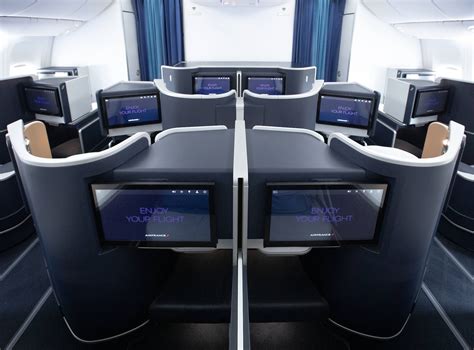
Embarking on a long-haul journey can often be a daunting prospect, but the experience is transformed dramatically when traveling in business class. This premium cabin offers a sanctuary of comfort and convenience, meticulously designed to make extended flights not just tolerable, but genuinely enjoyable. Understanding the nuances of business class cabins is crucial for discerning travelers seeking the ultimate in airborne luxury and productivity.
This comprehensive guide delves into the essential aspects of business class cabin reviews, exploring what truly defines long-haul comfort and how to navigate the myriad offerings from different airlines. We will examine the key features, amenities, and services that contribute to an exceptional journey, helping you make informed decisions for your next international adventure.
The Allure of Business Class: Beyond Economy
Business class occupies a unique position between the often-cramped economy cabin and the ultra-exclusive first class. It offers a significant upgrade in space, service, and amenities, making it a preferred choice for corporate travelers and leisure passengers willing to invest in a superior experience. The primary draw for many is the ability to arrive at their destination feeling refreshed and ready, rather than exhausted and stiff.
Passengers in business class benefit from enhanced privacy, superior dining options, and an overall more personalized service environment. These elements collectively contribute to a substantially reduced travel fatigue, which is invaluable on journeys spanning multiple time zones and many hours in the air. The investment often pays dividends in well-being and productivity upon arrival.
Defining Long-Haul Comfort: Key Cabin Elements
True long-haul comfort in business class is a multifaceted concept, extending far beyond just a wider seat. It encompasses a holistic experience that addresses physical well-being, mental relaxation, and practical needs throughout the journey. Understanding these core components is vital for anyone evaluating business class cabin reviews.
From the moment you step aboard, every detail is engineered to enhance your travel experience, ensuring that even the longest flights feel manageable and luxurious. Let’s explore the individual elements that collectively define this elevated standard of comfort in the air.
Lie-Flat Seating and Personal Space
The cornerstone of business class comfort is undoubtedly the lie-flat seat, which allows passengers to recline fully into a horizontal position, mimicking a proper bed. This feature is paramount for achieving restorative sleep on long overnight flights, drastically reducing the impact of jet lag. Not all lie-flat seats are created equal, however, with variations in length, width, and privacy features.
Modern business class cabins often feature reverse-herringbone, staggered, or even suite-style configurations, each offering distinct advantages in terms of personal space and aisle access. Factors such as seat pitch (the distance between rows) and seat width are critical, influencing overall comfort and the ability to move freely within your personal cocoon. The layout can significantly impact the sense of privacy and ease of movement.
Cabin Configuration and Privacy
Airline cabin configurations play a significant role in the overall feel of a business class product. Common layouts include 1-2-1, 1-1-1, 2-2-2, and 2-3-2, with 1-2-1 often considered the gold standard for solo travelers due to direct aisle access for every passenger. Some airlines have introduced ‘suites’ with sliding doors, further enhancing privacy and creating a truly secluded environment.
These configurations not only dictate aisle access but also influence the amount of usable personal space, including storage compartments, work surfaces, and footwells. A well-designed cabin maximizes privacy while still allowing for efficient service delivery, balancing solitude with accessibility. The trend towards more individualized pods reflects a growing demand for personal sanctuaries in the sky.
In-Flight Entertainment (IFE) Systems
A sophisticated in-flight entertainment system is essential for passing the hours on a long-haul flight. Business class IFE typically features large, high-definition touchscreens with an extensive library of movies, TV shows, music, and games. Premium noise-canceling headphones are usually provided, ensuring an immersive audio experience without external distractions.
Many systems now offer real-time flight maps, external camera views, and even the option to connect personal devices for streaming. The quality and variety of content, coupled with a responsive interface, are critical for keeping passengers engaged and entertained throughout their journey. Modern systems aim to replicate a home theatre experience in the air.
Gourmet Dining and Beverage Service
Dining in business class transcends typical airplane food, offering a restaurant-quality experience at 30,000 feet. Passengers can often pre-order meals, choose from a multi-course menu, and dine on demand, allowing for greater flexibility around sleep schedules. The emphasis is on fresh ingredients, refined presentation, and diverse culinary options reflecting both local and international flavors.
The beverage selection is equally impressive, often including premium wines, spirits, champagne, craft beers, and specialty non-alcoholic drinks. Many airlines collaborate with renowned chefs and sommeliers to curate their menus, ensuring a memorable gastronomic journey. This elevated dining experience transforms a utilitarian meal into a genuine highlight of the flight.
Exemplary Service and Amenities
The caliber of service provided by cabin crew is a defining characteristic of a top-tier business class experience. Attentive, personalized, and proactive service, without being intrusive, significantly enhances overall comfort. Crew members are often trained to anticipate needs, offer recommendations, and ensure a smooth, stress-free journey.
Furthermore, business class passengers receive amenity kits containing essentials like skincare products, socks, eye masks, and earplugs, often from luxury brands. High-quality bedding, including plush duvets and large pillows, further contributes to a restful sleep experience. These small touches collectively make a substantial difference in comfort and perceived value.
Pre-Flight and Post-Flight Perks
The business class experience extends well beyond the confines of the aircraft cabin, beginning long before boarding and continuing after arrival. These ground services significantly reduce stress and enhance convenience, setting the tone for a premium travel experience. Understanding these benefits is crucial when assessing the overall value proposition of business class.
From exclusive check-in facilities to expedited security and luxurious lounges, every step of the journey is streamlined. These perks ensure a seamless transition from land to air and back again, embodying the holistic approach to comfort that business class offers. They add considerable value beyond just the in-flight experience itself.
Exclusive Airport Lounge Access
One of the most highly valued perks of business class travel is access to exclusive airport lounges. These tranquil oases offer a comfortable retreat from the bustling terminal, providing complimentary food and beverages, Wi-Fi, shower facilities, and quiet workspaces. Lounges allow travelers to relax, refresh, or catch up on work before their flight.
Many airlines operate their own flagship lounges, which often boast gourmet dining options, spa services, and dedicated rest areas, transforming waiting time into an enjoyable part of the journey. The ability to decompress and prepare for the flight in a peaceful environment is a significant comfort enhancer. It effectively extends the premium experience to the ground.
Priority Services
Business class tickets typically include a suite of priority services designed to expedite the airport process. These include dedicated check-in counters, priority baggage handling, expedited security lines, and priority boarding. These services minimize queuing and waiting times, ensuring a smoother and more efficient transition through the airport.
Upon arrival, business class passengers also benefit from priority baggage claim, ensuring their luggage is among the first to be delivered. This suite of priority services reduces the common stressors of air travel, allowing passengers to move swiftly and seamlessly from curb to gate and back again. The efficiency gained contributes significantly to overall travel satisfaction.
Evaluating Business Class Cabins: What to Look For in Reviews
When reading business class cabin reviews, it is essential to look beyond superficial praise and focus on specific, actionable details. A comprehensive review will articulate the pros and cons, highlight unique features, and compare the product against competitors. Always consider the source and their potential biases, looking for consistent patterns across multiple reviews.
Understanding what factors truly matter to your personal travel style will help you interpret reviews more effectively. Whether it’s sleep quality, dining, or connectivity, prioritize the elements that contribute most to your comfort. Here’s a deeper dive into what makes a review truly valuable.
Airline-Specific Offerings and Consistency
Each airline offers a distinct business class product, and consistency across their fleet can vary significantly. Some airlines are renowned for their innovative cabins, such as Qatar Airways Qsuite or ANA’s ‘The Room,’ which offer unparalleled privacy and space. Others may have older configurations on certain routes or aircraft types.
Reviews should ideally specify the aircraft type (e.g., Boeing 787, Airbus A350, A380) and the specific route flown, as cabin configurations can differ even within the same airline. A consistent product across all long-haul aircraft ensures a predictable and reliable premium experience, while inconsistency can lead to disappointment. Researching specific routes and aircraft types is therefore paramount.
Impact of Aircraft Type on Comfort
The type of aircraft plays a substantial role in the overall comfort of a long-haul flight. Newer generation aircraft like the Boeing 787 Dreamliner and Airbus A350 XWB are designed with advanced features that enhance passenger well-being. These include lower cabin altitudes, higher humidity levels, and improved air filtration systems, which collectively reduce the effects of jet lag and fatigue.
Additionally, these modern aircraft often feature quieter cabins and larger windows, contributing to a more pleasant and less claustrophobic environment. While the seat design is crucial, the inherent characteristics of the aircraft itself significantly influence the overall experience. Older aircraft, while still offering business class, may lack these subtle yet impactful design considerations.
The Importance of Seat Selection
Even within the same business class cabin, not all seats are created equal. Window seats often provide more privacy and a view, while aisle seats offer easier access to the lavatories and galley. Bulkhead seats might offer extra legroom but could lack under-seat storage, while seats near the galley or lavatories might be subject to more noise and foot traffic.
Tools like SeatGuru or airline seat maps are invaluable for researching specific seat layouts and identifying preferred options before your flight. Understanding your personal preferences—whether it’s privacy, easy access, or minimal disturbance—will guide your seat selection for optimal comfort. A well-chosen seat can make a good business class experience even better.
Optimizing Your Long-Haul Business Class Experience
Even with a premium ticket, a few proactive steps can further enhance your long-haul business class comfort. Strategic planning and mindful practices can transform a great flight into an exceptional one, ensuring you arrive at your destination feeling truly refreshed. These tips focus on maximizing the benefits provided by business class amenities and services.
From choosing the right seat to leveraging onboard services, these strategies help you take full advantage of the premium environment. They are designed to optimize sleep, minimize fatigue, and promote overall well-being throughout your extended journey. Implementing these practices can significantly elevate your travel satisfaction.
Maximizing Sleep and Rest
Leveraging the lie-flat seat for quality sleep is crucial for mitigating jet lag. Consider bringing your own comfortable sleepwear, and utilize the provided bedding and amenity kit items like eye masks and earplugs. Establishing a pre-sleep routine, even in the cabin, can signal to your body that it’s time to rest, aiding quicker sleep onset.
Adjust your sleep schedule to your destination’s time zone as soon as you board, if possible, especially for overnight flights. Avoid excessive caffeine or alcohol before attempting to sleep, as these can disrupt natural sleep patterns. Prioritizing rest will significantly improve your arrival experience and subsequent days.
Staying Hydrated and Healthy
Cabin air is notoriously dry, making hydration vital on long flights. Business class allows easy access to bottled water and other non-alcoholic beverages; make a conscious effort to drink regularly. Limit alcohol and sugary drinks, which can contribute to dehydration and fatigue, opting instead for water, juice, or herbal tea.
Engage in light stretching or walk around the cabin periodically to promote circulation and prevent stiffness. The spaciousness of business class often allows for more movement compared to economy, so take advantage of it. Mindful eating, choosing lighter options, and avoiding overeating can also contribute to feeling better post-flight.
Leveraging Onboard Amenities and Connectivity
Take full advantage of the amenities provided, from the high-quality entertainment system to the Wi-Fi connectivity. While Wi-Fi might incur an extra cost, it can be invaluable for staying connected or productive during your flight. Plan your work or entertainment activities to align with your desired sleep schedule.
Explore the content library thoroughly and consider downloading content to your personal devices as a backup. Don’t hesitate to ask the cabin crew for anything you might need, from extra pillows to a specific beverage; they are there to enhance your experience. Making the most of these offerings ensures a personalized and enjoyable journey.
Comparing Business Class with Other Premium Cabins
Understanding where business class fits within the spectrum of premium air travel helps in evaluating its value proposition. While it offers a significant leap from economy, it also differs distinctly from premium economy and first class. Each cabin caters to different needs and budgets, providing varying levels of comfort and service.
The choice often boils down to budget, duration of the flight, and personal priorities regarding space, privacy, and service. A clear comparison reveals why business class remains a sweet spot for many long-haul travelers. It strikes an optimal balance between luxury and practicality.
Business Class vs. Premium Economy
Premium Economy offers a noticeable upgrade from standard economy, typically featuring wider seats, more legroom (greater seat pitch), and sometimes enhanced meal service. However, it generally does not include lie-flat seats or the extensive dining and lounge access associated with business class. It’s a comfortable option for daytime flights or those with tighter budgets.
The primary differentiator is the ability to sleep horizontally, which is a game-changer for long-haul overnight flights. While premium economy provides more space, it doesn’t offer the restorative sleep environment of business class. The choice largely depends on whether sleep quality is a priority for your specific journey.
Business Class vs. First Class
First class represents the pinnacle of luxury air travel, offering even more space, privacy (often fully enclosed suites), and highly personalized service compared to business class. First class dining is typically more exquisite, featuring tasting menus and fine wines, and ground services are even more exclusive, including private check-in areas and chauffeur services.
However, the price difference between business and first class can be substantial, often disproportionate to the incremental increase in comfort for many travelers. For most long-haul flights, business class offers an excellent balance of comfort, service, and value, delivering 90% of the first-class experience at a significantly lower cost. The decision usually comes down to absolute luxury versus practical indulgence.
The Cost-Value Proposition of Business Class
The elevated price of business class tickets is a common point of discussion, prompting travelers to weigh the cost against the tangible benefits. While it is undoubtedly a significant investment compared to economy, the value proposition for long-haul travel often extends beyond simple monetary cost. This value is particularly evident for journeys exceeding six to eight hours.
For business travelers, arriving refreshed and ready for meetings can translate directly into productivity and success. For leisure travelers, it means starting a vacation without immediate fatigue, maximizing enjoyment from the outset. The reduced stress, enhanced well-being, and ability to sleep are crucial elements in this value calculation, making it a worthwhile splurge for many.
Conclusion: Mastering Long-Haul Business Class Comfort
Business class has redefined long-haul air travel, transforming what was once an arduous journey into an experience of comfort, luxury, and efficiency. From the privacy of lie-flat seats and gourmet dining to exclusive lounge access and personalized service, every aspect is designed to ensure a restful and productive flight. By understanding the key elements and leveraging available amenities, travelers can maximize their comfort and arrive at their destination feeling revitalized.
When evaluating business class cabin reviews, focus on specific details regarding seat configuration, service consistency, and aircraft type to make an informed decision. Ultimately, investing in business class for long-haul flights is an investment in your well-being, productivity, and overall travel enjoyment. It’s a journey where the destination is only part of the reward; the journey itself becomes a pleasure.
Frequently Asked Questions (FAQ)
Is business class worth it for long-haul flights?
For long-haul flights, especially overnight journeys, business class is often considered worth the investment. The ability to sleep in a lie-flat bed, enjoy gourmet dining, access airport lounges, and benefit from priority services significantly reduces travel fatigue and jet lag, allowing you to arrive refreshed and ready for your destination. Its value is particularly high for business travelers needing to be productive immediately upon arrival.
What are the most important features to look for in a business class cabin?
The most important features for long-haul comfort include a true lie-flat seat for proper sleep, ample personal space and privacy (e.g., direct aisle access, suite-style doors), a high-quality in-flight entertainment system, and an excellent dining and beverage service. Additionally, attentive and personalized cabin crew service, along with pre-flight lounge access, greatly enhance the overall experience.
Which airlines generally offer the best business class experiences?
Several airlines consistently receive high ratings for their business class offerings. Airlines frequently praised include Qatar Airways (especially for its Qsuite), Singapore Airlines, Emirates, ANA (with ‘The Room’), Cathay Pacific, and Delta One Suites. These carriers are known for innovative seat designs, exceptional service, and premium amenities. However, offerings can vary by aircraft and route.
How can I find good deals on business class tickets?
Finding good deals on business class tickets often involves flexibility with dates and destinations, booking in advance, or looking for sales during off-peak seasons. Utilizing frequent flyer miles or credit card points can also significantly reduce costs. Subscribing to fare alert services and being open to connecting flights or less popular routes can sometimes uncover better prices.
What is the main difference between business class and first class?
While both offer premium experiences, first class typically provides even greater space, privacy (often fully enclosed suites), and more personalized, bespoke service than business class. First class dining is usually more refined, and ground services can include private terminals or chauffeur services. The price difference between first and business class can be substantial, often for a marginal increase in comfort for many travelers.
What amenities can I expect in a long-haul business class amenity kit?
Long-haul business class amenity kits typically include essential items designed to enhance comfort and hygiene. These often feature an eye mask, earplugs, socks, a toothbrush and toothpaste, and luxury skincare products (such as lip balm, hand cream, or facial mist). Some premium kits may also include a comb, shoehorn, or even a small fragrance.