
 admin
admin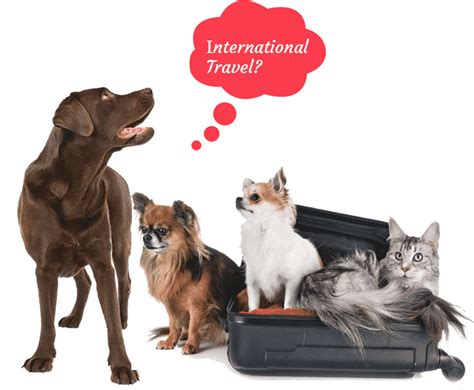
Relocating internationally often presents numerous challenges, but none are quite as emotionally charged and complex as ensuring the safe passage of beloved pets. International pet travel transport services specialize in navigating the intricate web of regulations, logistics, and animal welfare considerations to facilitate a smooth journey for your furry, feathered, or scaled companions.
These professional services act as vital intermediaries, bridging the gap between concerned pet owners and the myriad requirements imposed by different countries and airlines. Understanding the scope of these services and how they operate is crucial for any pet owner planning an overseas move.
Why Use Professional Pet Transport Services?
Embarking on international pet travel independently can be an overwhelming task, fraught with potential pitfalls and costly mistakes. Professional pet transport services offer invaluable expertise and peace of mind, handling the complexities so owners can focus on other aspects of their relocation.
They possess an in-depth understanding of ever-changing global import and export regulations, airline-specific rules, and animal health requirements. This specialized knowledge minimizes stress for both pets and owners, ensuring compliance and preventing delays or complications at borders.
Expert Navigation of Complex Regulations
Each country possesses its own unique set of rules regarding the import of animals, ranging from specific vaccination protocols to mandatory microchip standards and import permits. Navigating these requirements demands meticulous attention to detail and up-to-date information, which professional services readily provide.
Furthermore, these experts are adept at handling the necessary paperwork, ensuring that all health certificates, customs forms, and permits are accurately completed and submitted within stringent timelines. Their proficiency helps avoid common errors that could otherwise lead to quarantine or even rejection of entry.
Logistical Planning and Coordination
The journey itself involves significant logistical coordination, including booking flights, arranging ground transportation, and managing layovers. Professional services manage these intricate details, optimizing travel routes for the pet’s comfort and safety.
They also work closely with airlines that have proven pet-friendly policies and facilities, ensuring that the travel crate meets all International Air Transport Association (IATA) specifications and that the animal’s well-being is prioritized throughout the transit process.
Understanding the International Pet Travel Process
The process of international pet travel is multifaceted, typically beginning months before the actual departure date. While specific steps can vary by destination and animal species, a general framework guides most successful pet relocations.
A clear understanding of these stages empowers pet owners to collaborate effectively with their chosen transport service and prepare their pet adequately for the journey ahead.
Initial Consultation and Destination Requirements Assessment
The first step involves a detailed consultation where the pet owner provides information about their pet, the origin, and the destination country. The transport service then outlines the specific requirements, timelines, and potential challenges for that particular route.
This initial assessment helps identify critical deadlines, such as the timing for specific vaccinations or blood tests, and allows for the development of a tailored travel plan. It’s essential to start this process as early as possible, often 6-12 months in advance for complex destinations.
Veterinary Preparations and Documentation
Once the requirements are clear, the pet’s veterinary preparations begin, which typically include microchipping, rabies vaccinations, and a series of other required vaccinations. Blood tests, such as the Rabies Titer Test (RNATT), are often mandatory for entry into rabies-free countries.
A licensed veterinarian must then complete an international health certificate, which is usually endorsed by a government authority, such as the USDA in the United States or APHA in the UK, within a very specific timeframe before travel.
Crate Selection and Acclimation
Choosing the correct travel crate is paramount for the pet’s safety and comfort during transit; it must meet IATA standards for size, ventilation, and construction. Professional services guide owners in selecting the appropriate crate, often providing or sourcing them.
Acclimating the pet to its travel crate well in advance of the journey is also a critical step, helping to reduce stress and anxiety during the actual travel day. This involves positive reinforcement and making the crate a comfortable, familiar space.
Booking Travel and Customs Clearance
With all veterinary and documentation requirements met, the transport service coordinates flight bookings, ensuring direct routes where possible and selecting pet-friendly airlines. They handle all airport logistics, including check-in procedures and communication with ground staff.
Upon arrival, the service manages customs clearance, navigating local regulations and ensuring the pet is released efficiently. This often includes liaising with local agents or veterinarians at the destination airport.
Key Regulatory and Health Requirements
International pet travel is heavily regulated to prevent the spread of diseases and ensure animal welfare. Adhering strictly to these requirements is non-negotiable for successful pet relocation.
Failing to meet even one minor requirement can result in significant delays, re-routing, forced quarantine, or even the pet’s return to the origin country at the owner’s expense.
Microchipping and Rabies Vaccination
Nearly all countries require pets to be identified with an ISO-compliant microchip before any vaccinations, especially rabies. The microchip number must be documented on all health certificates and vaccination records.
Rabies vaccination is almost universally required, with specific validity periods and waiting times after vaccination often mandated before travel. Some countries mandate additional vaccinations for diseases like Canine Distemper, Hepatitis, Parvovirus, Leptospirosis, and Feline Panleukopenia.
Rabies Titer Test (RNATT)
For entry into many rabies-free or rabies-controlled countries (e.g., EU, UK, Australia, Japan, Singapore), a Rabies Neutralizing Antibody Titre Test (RNATT) is required. This blood test measures the level of rabies antibodies to confirm the vaccination’s effectiveness.
There is typically a mandatory waiting period, often three months, between the date the blood sample was taken and the eligible date of entry into the destination country. This waiting period is critical and must be strictly observed.
International Health Certificates and Endorsements
An international health certificate, signed by a licensed veterinarian, attests to the pet’s health status and compliance with all import requirements. This document must be completed within a short window, usually 10 days, prior to travel.
For most countries, this health certificate then requires endorsement by a government agency (e.g., USDA-APHIS in the USA or DEFRA in the UK) to validate the veterinarian’s signature and the information provided. The exact type of endorsement (e.g., e-signature, wet stamp) varies.
Import Permits and Quarantine Protocols
Many countries mandate an import permit issued by their national veterinary authority before a pet can enter. This permit outlines specific conditions for entry and often has an associated fee.
Some destinations, particularly island nations like Australia, New Zealand, and Hawaii (USA), have strict quarantine periods for incoming pets to protect their unique ecosystems from diseases. These periods can range from a few days to several weeks or even months, depending on origin country and compliance.
IATA Regulations and Crate Requirements
The International Air Transport Association (IATA) sets the global standards for live animal transport by air, prioritizing animal welfare and safety. All professional pet transport services strictly adhere to these guidelines to ensure a humane journey.
Understanding IATA’s Live Animal Regulations (LAR) is fundamental for any pet owner, as these rules dictate everything from crate specifications to animal handling procedures.
Crate Specifications for Air Travel
IATA-compliant crates must be constructed from rigid materials (wood, metal, or rigid plastic) with adequate ventilation on at least three sides, preferably four. The crate must be secure, escape-proof, and clearly labeled with “Live Animal” stickers and pet owner information.
Crucially, the crate must be large enough for the animal to stand up naturally, turn around, and lie down in a natural position without any part of its body touching the top or sides of the container. This ensures comfort and prevents injury during transit.
Food and Water Provisions
Food and water dishes must be securely attached inside the crate and accessible from the outside without opening the door, allowing airline personnel to replenish supplies. A small amount of dry food should be attached to the top of the crate for emergencies.
Water is often provided via a drip water bottle or a bowl with a funnel, to prevent spillage and ensure continuous hydration. Professional services will advise on appropriate feeding schedules before travel.
Temperature and Breed Restrictions
Airlines have strict temperature restrictions for live animal cargo, especially for brachycephalic (snub-nosed) breeds like bulldogs, pugs, and Persian cats. These breeds are highly susceptible to respiratory issues in fluctuating temperatures and are often subject to embargoes during hot or cold months.
Some airlines also have breed-specific restrictions or bans, particularly for breeds perceived as aggressive or those with specific health vulnerabilities. Professional pet transport companies are fully aware of these airline policies and advise accordingly.
Choosing the Right International Pet Transport Provider
Selecting a reputable and experienced pet transport service is perhaps the most critical decision in the entire relocation process. The right provider will be transparent, communicative, and prioritize your pet’s welfare above all else.
Thorough research and careful consideration of several factors will help ensure you entrust your beloved companion to capable hands.
Accreditation and Experience
Look for companies accredited by recognized industry bodies such as IPATA (International Pet and Animal Transportation Association) or Animal Transportation Association (ATA). These accreditations signify adherence to high standards of animal welfare and professional conduct.
Experience is paramount; inquire about how many international moves they handle annually and their specific experience with your destination country and pet species. A long track record indicates proven reliability and expertise.
Transparency and Communication
A trustworthy company will provide a clear, itemized quote detailing all services included and potential additional costs. They should be transparent about the entire process, including potential risks and contingencies.
Excellent communication is vital; the service should be responsive to your inquiries, provide regular updates on your pet’s status, and be available to address any concerns throughout the journey. A dedicated point of contact is a strong positive indicator.
Services Offered and Door-to-Door Options
Evaluate the range of services offered, such as veterinary appointment coordination, flight booking, customs clearance, and ground transportation at both ends. Many owners prefer comprehensive door-to-door services for maximum convenience.
Some providers offer kennel boarding, pre-travel acclimation programs, or even post-arrival support. Tailor your choice to the level of assistance you require and your budget.
Cost Factors for International Pet Relocation
The cost of international pet travel can vary significantly, often ranging from hundreds to several thousands of dollars, depending on numerous variables. Understanding these factors helps pet owners budget effectively and avoid surprises.
It’s important to obtain a detailed, itemized quote to comprehend what is included in the overall price.
Pet-Specific Factors
The size and weight of your pet are major determinants, as these influence air cargo rates and crate size requirements. Larger animals require bigger, more expensive crates and incur higher shipping fees.
The species of your pet can also affect cost; exotic animals may require specialized handling, permits, or veterinary procedures that add to the overall expense. Certain breeds, particularly brachycephalic ones, might face higher shipping costs or restrictions due to special care requirements.
Route and Destination
The distance of travel, the number of layovers, and the complexity of the destination country’s import regulations all impact the total cost. Direct flights are often more expensive but reduce travel time and stress for the pet.
Countries with strict quarantine laws or complex documentation processes typically entail higher fees due to the increased administrative burden and potential need for local agents. Remote destinations or those with limited pet-friendly flight options can also drive up prices.
Services Included
The extent of services chosen directly influences the price. A full door-to-door service, covering everything from veterinary coordination to final delivery, will be more costly than a port-to-port service where the owner handles parts of the logistics.
Additional services like travel crate purchase, pre-travel boarding, specialized handling for anxious pets, or obtaining multiple government endorsements will also contribute to the final bill. Always clarify what is included in any quote.
Preparing Your Pet for Travel
Beyond the paperwork and logistics, preparing your pet psychologically and physically for the journey is paramount. A well-prepared pet is more likely to have a less stressful travel experience.
This preparation involves a combination of veterinary checks, crate acclimation, and subtle changes to their routine.
Pre-Travel Veterinary Check-ups
Ensure your pet is in optimal health for travel by scheduling a thorough vet check-up well in advance. Discuss any existing conditions or anxieties with your veterinarian, who can offer advice or medication if appropriate.
Maintaining current vaccinations and parasite prevention is also crucial, not only for regulatory compliance but for your pet’s well-being during and after travel. A healthy pet handles stress better.
Crate Training and Acclimation
Start crate training early, several weeks or even months before the travel date, making the crate a positive and safe space. Encourage your pet to spend time inside with treats, toys, and comfortable bedding.
Gradually increase the time your pet spends in the crate, and practice short periods of confinement in different environments to simulate travel conditions. This familiarity will significantly reduce their anxiety on travel day.
Diet and Exercise Adjustments
Maintain your pet’s regular diet leading up to travel to avoid digestive upset, but consider feeding a lighter meal several hours before departure. Do not feed immediately before going into the crate.
Ensure your pet gets plenty of exercise and bathroom breaks on the day of travel, especially before being placed in the crate for the journey. A tired and empty-bladdered pet is generally a calmer traveler.
Common Challenges and How to Mitigate Them
Despite meticulous planning, international pet travel can still encounter unforeseen challenges. Recognizing these potential issues and having strategies to mitigate them can save significant stress and time.
Working with an experienced pet transport service is invaluable in navigating these complexities effectively.
Airline Delays and Cancellations
Flight delays or cancellations are common occurrences that can significantly impact a pet’s travel plan, especially if layovers are involved. Adverse weather conditions, mechanical issues, or operational disruptions can all contribute to these delays.
Professional services monitor flights closely and have contingency plans, such as rebooking on the next available pet-friendly flight or arranging temporary boarding, to ensure the pet’s safety and comfort during such events.
Changing Regulations and Paperwork Errors
International pet import regulations can change with little notice, making it difficult for individual owners to stay updated. Minor errors or omissions in paperwork can lead to severe consequences, including quarantine or denied entry.
Reputable transport companies continuously track regulatory updates and employ rigorous checking procedures for all documentation. Their expertise helps prevent costly mistakes and ensures all forms are perfectly aligned with current requirements.
Pet Stress and Anxiety During Travel
Travel can be stressful for pets due to unfamiliar environments, loud noises, and separation from owners. While professional services prioritize humane handling, some level of stress is unavoidable.
Proper crate acclimation, familiar smells in the crate, and a calm demeanor from owners before departure can help. Consulting with a vet about mild sedatives or calming supplements is an option, though many airlines discourage sedation for safety reasons.
Special Considerations for Different Destinations
While general guidelines apply, certain destinations present unique challenges and requirements for pet importation. These specific rules often reflect a country’s biosecurity concerns or animal welfare standards.
Understanding these nuances is essential for a successful and compliant relocation to your chosen international home.
Rabies-Free Nations (e.g., Australia, New Zealand, Japan, UK)
Countries recognized as rabies-free have the strictest import protocols, often requiring extensive waiting periods after rabies vaccinations and titer tests. Their goal is to maintain their disease-free status at all costs.
Mandatory quarantine periods upon arrival are common in these nations, even with full compliance with pre-travel requirements. These measures are designed to thoroughly screen pets for any signs of illness before they enter the general population.
Warmer Climates and Brachycephalic Breeds
Traveling to warmer climates, especially during summer months, can pose risks for all pets, particularly brachycephalic (snub-nosed) breeds. Their unique physiology makes them prone to overheating and respiratory distress.
Many airlines impose seasonal embargoes on these breeds, restricting their travel during periods of high temperatures. Choosing off-peak seasons or cooler travel times, along with direct flights, is highly recommended for these vulnerable animals.
Exotic Pets and CITES Regulations
Relocating exotic pets, such as certain bird species, reptiles, or unconventional mammals, involves an entirely different layer of complexity. Many exotic animals are protected under the Convention on International Trade in Endangered Species of Wild Fauna and Flora (CITES).
CITES regulations require specific permits for import and export of listed species, ensuring their legal and ethical movement across borders. Transport services specializing in exotic animals are crucial for navigating these intricate international conservation laws.
Navigating the complexities of international pet travel is a significant undertaking that demands meticulous planning, adherence to strict regulations, and a deep understanding of animal welfare. While challenging, the journey becomes infinitely smoother and less stressful with the assistance of professional pet transport services.
These experts provide invaluable guidance, manage intricate logistics, and ensure compliance, allowing pet owners to focus on their new beginnings with the peace of mind that their beloved companions are in safe hands. Prioritizing your pet’s comfort and safety through professional assistance guarantees a seamless transition to their new international home.
Frequently Asked Questions (FAQ)
What is an international pet travel transport service?
An international pet travel transport service is a specialized company that manages the entire process of relocating pets across international borders. They handle everything from navigating complex import/export regulations and veterinary requirements to coordinating flights and customs clearance, ensuring a safe and compliant journey for your animal.
How much does it cost to transport a pet internationally?
The cost varies significantly based on factors such as pet size and weight, destination country, airline fees, specific veterinary requirements, and the level of service chosen (e.g., door-to-door vs. port-to-port). Prices can range from a few hundred to several thousand dollars, making a detailed quote from a service essential.
What are the most common requirements for international pet travel?
Common requirements include an ISO-compliant microchip, up-to-date rabies vaccinations, and an international health certificate endorsed by a government veterinary authority. Many countries also require a Rabies Titer Test and an import permit, with strict timelines for all documentation.
How far in advance should I start planning international pet travel?
It is highly recommended to start planning at least 6 to 12 months in advance, especially for destinations with complex import rules or mandatory waiting periods after blood tests (like the Rabies Titer Test). Early planning allows ample time for all veterinary procedures and documentation.
Are there any specific crate requirements for flying pets internationally?
Yes, travel crates must meet International Air Transport Association (IATA) Live Animal Regulations. This means the crate must be of rigid construction, have adequate ventilation, be escape-proof, and be large enough for the pet to stand, turn around, and lie down comfortably without touching the sides or top.
Do pets need to be quarantined when traveling internationally?
Quarantine requirements vary by destination country and the pet’s country of origin. Many rabies-free nations (e.g., Australia, New Zealand) have mandatory quarantine periods, while others may allow direct entry if all pre-travel requirements are met. Your transport service will advise on specific country rules.
Can I sedate my pet for international travel?
Most airlines and veterinarians strongly advise against sedating pets for air travel due to potential health risks, as sedatives can interfere with a pet’s ability to regulate body temperature and blood pressure at altitude. Always consult your veterinarian for advice on managing travel anxiety without sedation.
What is IPATA and why is it important?
IPATA stands for the International Pet and Animal Transportation Association, a global network of professional pet shippers. Choosing an IPATA-accredited service ensures they adhere to high ethical standards, animal welfare guidelines, and possess proven expertise in international pet relocation.
What if my destination country has specific breed restrictions?
Many countries and airlines have restrictions or bans on certain dog breeds, particularly brachycephalic (snub-nosed) breeds due to respiratory risks, or breeds perceived as aggressive. Your chosen pet transport service will be knowledgeable about these restrictions and can advise on alternatives or specific requirements.
What happens if there are flight delays during my pet’s international journey?
Reputable pet transport services actively monitor flights and have contingency plans for delays or cancellations. This might involve rebooking on the next available pet-friendly flight, arranging temporary boarding, or coordinating with ground staff to ensure your pet’s continued safety and comfort during unforeseen disruptions.